The Humanities are a group of Subjects dedicated to understanding the functions and actions of societies past, present and future. We also peer into the natural world, and seek to understand our place within it.
In the Humanities, we aim to foster a critical and questioning mind, analytical and evaluative skills, and the literacy used to convey our ideas and arguments.
Students who undertake the Humanities in its various forms study the Human and Natural environments, the Historical movements and decisions of people long gone, and critique our recent history so as to best see where we can go in our future.
Frequently Asked Questions
Why study the past, it's gone already?
As people before you have made the maps and road signs, when we understand what highway you're on, we can help point you to an intended destination, or help you find where you've come from.
Humans for all of time have had the same motivations, problems and concerns as we have right now, just in varied form. If we can look to how our forebears reacted and decided, we can look at what 'road signs' and warnings they chose to heed or ignore, and hopefully learn from those lessons.
Aren't the Humanities just remembering facts, dates and famous people?
This helps for sure, as it gives context and helps understanding as we are people, not machines – context helps tell the story. But the real study of the Humanities is the examination of evidence in order to bring a coherent conclusion. This is true for Legal Studies with the burden of proof, Geography in selection of quant vs qual datasets, and History in the selection of sources to create the tapestry of what happened.
Where can studying the Humanities get me?
Apart from the direct links to careers, the skills harnessed allow for its students to employ what is learned to any adult careers. We write in an argumentative and informed ways, research whilst understanding biases, and apply reason when presenting positions.
This is so that when we
reach adulthood, we understand why we believe what we do and the factors that
led us there, can discern fact from propaganda, and understand the perspectives
of others.
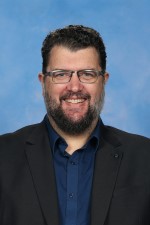
Mr Simon Krarup
Head of Department Humanities & Business
07 3881 4741